
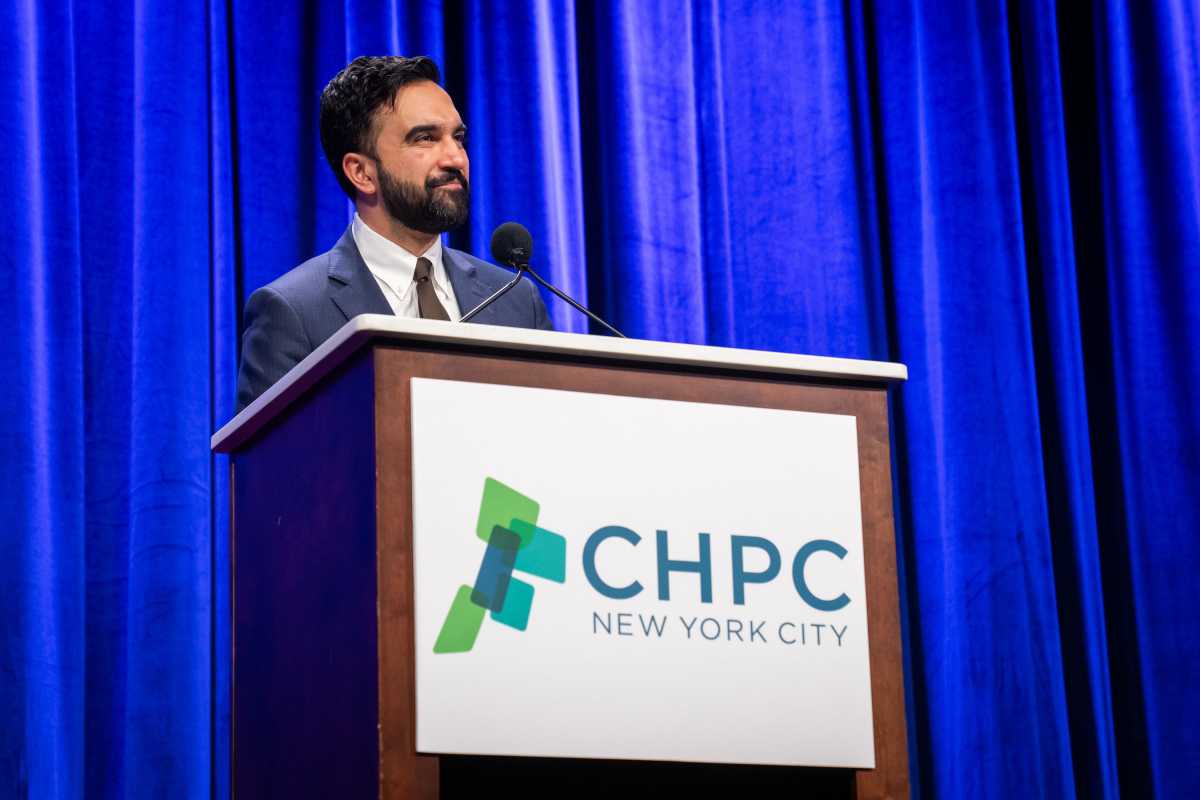
Mayor Zohran Mamdani’s administration rolled out a city-backed insurance program Thursday designed to drive down property and liability premiums for rent-stabilized and affordable housing across New York City, entering a fight that’s been building for years.
City Hall says it’s the first program of its kind anywhere. The target: coverage for 20,000 homes by 2027, scaling to 100,000 homes by 2030. Insurance costs for this housing stock have more than tripled since 2017, according to the mayor’s office, and that surge has become a primary engine of rising building operating costs and the city’s own affordable-housing budget.
“We cannot take on the housing crisis without confronting one of the fastest-growing costs facing New Yorkers: insurance,” Mamdani said.
The financial logic here is blunt. Every $100 increase in insurance costs requires $1,200 more in city capital to complete new affordable-housing transactions. That’s not a rounding error. That’s the kind of compounding drag that quietly guts a housing program before ground is ever broken.
Three agencies will run the operation: the New York City Economic Development Corporation, the New York City Housing Development Corporation, and the Department of Housing Preservation and Development. HDC will move first, issuing a request for proposals for an actuary or risk consultant this week. NYCEDC plans to follow this summer with a request for expressions of interest on how the program gets structured and run. The administration says it’s designed to become self-sustaining over time, though it didn’t put a timeline on that.
Deputy Mayor for Housing and Planning Leila Bozorg framed the whole thing around scale, saying the aim is to use “the city’s purchasing power to lower insurance premiums.” HPD Commissioner Dina Levy didn’t hedge. She called soaring insurance costs “a market failure that has gone uncorrected for too long.”
The announcement hit on the same Thursday that the city dropped its annual affordability research, landing the insurance plan square in the middle of the ongoing rent-setting battle. That timing wasn’t accidental.
Landlords and tenant groups have been trading competing data for weeks ahead of a Rent Guidelines Board vote that will set 2026 rent adjustments for close to one million stabilized apartments. The board’s 2026 Price Index of Operating Costs found that owner costs for rent-stabilized buildings climbed 5.3% overall, including a 10.5% spike in insurance and an 11.0% jump in fuel. Those two lines are doing a lot of work in the landlord argument for rent increases.
The board’s 2026 Income and Affordability Study pushed back hard. It found 51.6% of renter households in New York City now spend 30% or more of their income on rent. Unemployment hit 5.2% in 2025. Residential evictions rose 9.7% citywide. Neither number suggests tenants have room to absorb new increases.
Both reports now sit in front of a board that won’t let either side off easy. Landlords aren’t backing down on operating costs. Tenant advocates won’t concede that affordability data. The vote’s coming regardless.
The Mamdani administration is betting the insurance program can take pressure off both sides of that argument, at least over time. If premiums drop for building owners, the landlord case for increases weakens. If operating costs stabilize, the city’s own capital outlays on affordable housing stretch further. That’s the theory. Whether an RFP for an actuary this week turns into meaningful premium relief by 2027 is a different question.
What’s documented is the scale of the problem the program is chasing. Insurance costs more than tripled since 2017. They’re up 10.5% in this year’s operating cost index alone. The covered by amNY reporting on the plan noted the breadth of the policy challenge the city’s now putting itself in the middle of.
Three agencies. Two RFPs pending. One vote coming on rents that affect roughly a million apartments. The administration’s argument is that you can’t separate any of it.