
A federal judge told New York City lawyers she is “very, very troubled” by their handling of a class-action IVF discrimination suit, and she encouraged plaintiffs to seek sanctions against city attorneys, according to court transcripts.
U.S. District Court for the Southern District of New York District Judge Jeannette Vargas made that assessment after what plaintiffs describe as nearly two years of stonewalling, blown deadlines, and repeated violations of court orders by the Law Department. That’s a serious rebuke from a federal bench that doesn’t hand them out casually.
The suit was filed in May 2024. It’s built around a discrimination claim that isn’t complicated: New York City’s health plan covers IVF for men and women in straight relationships, for women in same-sex relationships, and for single women. Gay male employees and their partners get nothing. The plan requires an employee to be classified as “infertile” to qualify, a standard that structurally locks out gay men regardless of their medical history. There’s one realistic path to biological parenthood for gay men, and it runs through IVF with a surrogate, a process that costs tens of thousands of dollars out of pocket when insurance won’t cover it.
“Over 2,000 gay male city employees and their spouses have been unlawfully denied an equal opportunity to receive IVF benefits in the City’s health insurance plans due to their sexual orientation,” said attorney Peter Romer-Friedman.
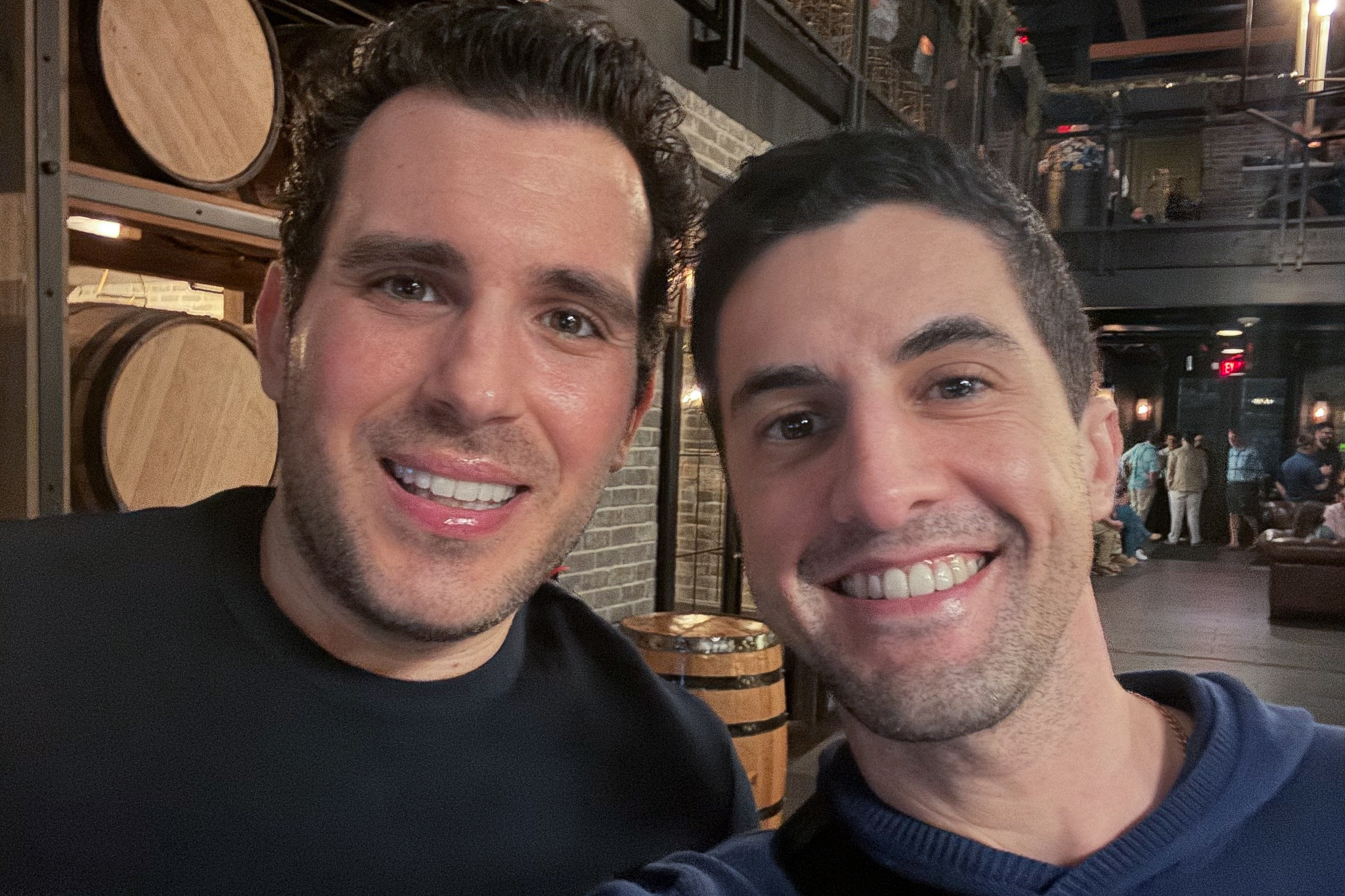
The named plaintiffs are Corey Briskin, who worked as an assistant district attorney in Manhattan from 2017 until 2022, and his husband Nicholas Maggipinto. They sued after the city denied their IVF claim. Their case has since grown into a class action representing more than 2,000 gay male city workers and their spouses. The City has covered the case closely.
In court filings, Romer-Friedman documented what he called a sustained pattern of obstruction. City lawyers withheld information and evidence from Briskin’s legal team and accumulated procedural failures across two years of litigation. “Defendants cannot simply wish away their multiple serious violations of clear Court orders,” Romer-Friedman wrote, pointing to the city’s “complete failure to refute any of these facts.”
The complaint doesn’t pull punches about what city leadership knew and when. “The City of New York and its leaders have long known that they have an obligation not to discriminate against gay men under federal, state, and local law, but they have disregarded that obligation when it comes to offering IVF benefits to City employees,” it says.
The city’s response has been muted. Nicholas Paolucci, a spokesperson for the Law Department, said Corporation Counsel Steve Banks is “committed to reviewing all pending cases at the Law Department, which we are doing.” Paolucci also told reporters the city takes its discovery obligations seriously and is working to meet court deadlines.
That’s a carefully worded non-answer. The Human Rights Campaign has tracked benefit disparities like this one for years, and advocates say they’re less common than they were a decade ago, which makes New York’s posture harder to defend publicly.
The city’s legal conduct is now squarely before Judge Vargas. Sanctions proceedings, if plaintiffs pursue them, could expose city attorneys to personal liability, not just institutional embarrassment. Courts don’t often get to the point where a judge tells one side to go after the other for sanctions. Vargas got there.
What’s next: the court will weigh whether to impose sanctions on the Law Department. Briskin and Maggipinto, represented by Romer-Friedman’s firm, are expected to push the sanctions motion. The case continues in the Southern District in 2026, with the underlying discrimination claim still unresolved.