
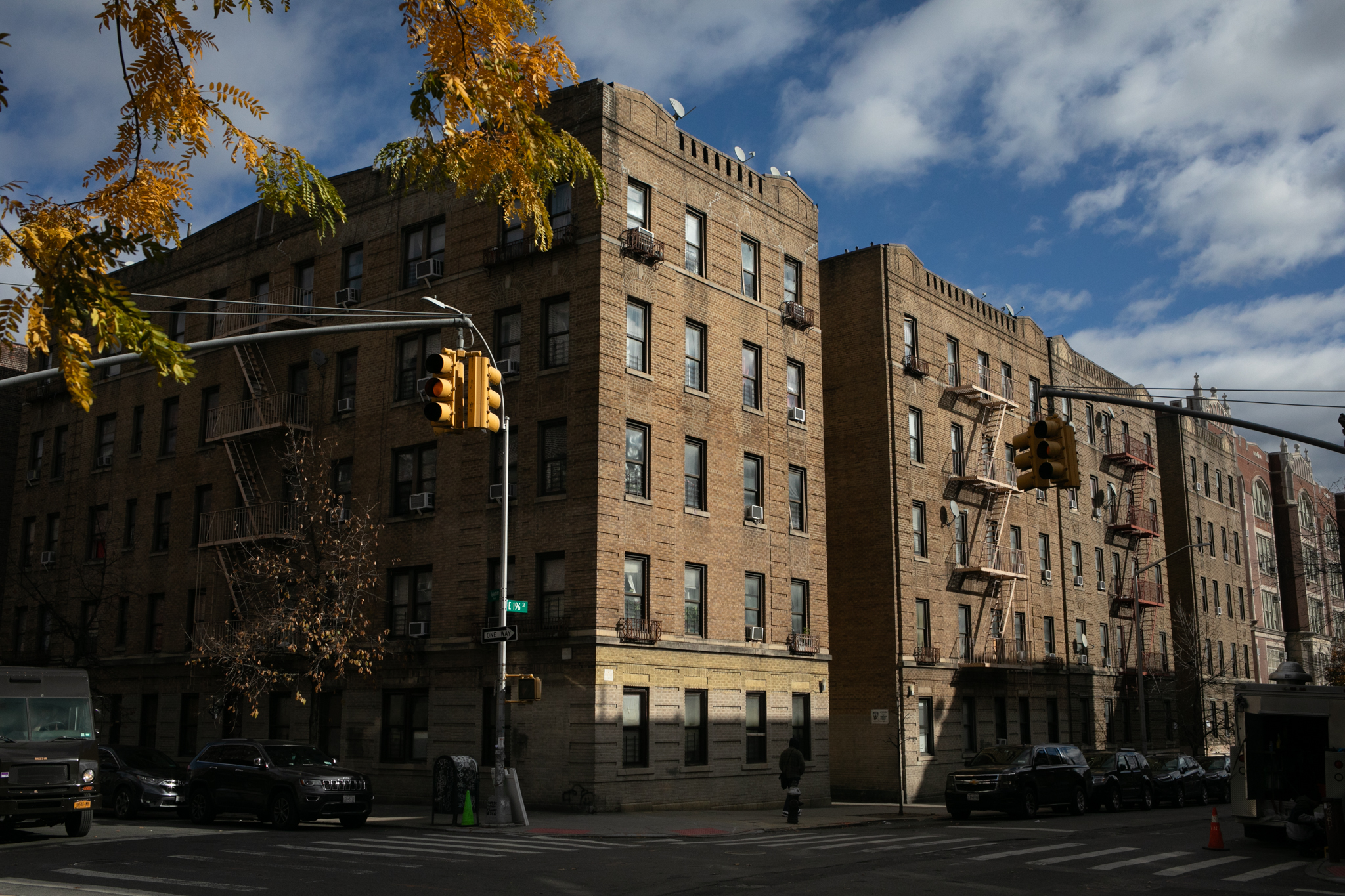
Mayor Zohran Mamdani is set to announce a city-backed insurance program Thursday that would cut costs for owners of rent-stabilized and subsidized buildings across New York City’s five boroughs.
The program won’t be run by the city itself. It’s privately managed, with a planned launch in 2027, and would initially cover property and liability insurance for buildings containing 20,000 apartments. The administration’s target is 100,000 apartments under the program by 2030. Taxpayer money will be involved, though the city hasn’t disclosed how much.
Mamdani plans to make the announcement at the Citizens Housing and Planning Council’s annual luncheon Thursday afternoon.
Insurance costs. That’s the pressure point here.
Deputy Mayor for Housing and Planning Leila Bozorg made the case Wednesday on a briefing call, pointing to premiums that have ballooned well past what the actual risk of these buildings would justify. “The risk profile of projects hasn’t gone up threefold since 2018, but the costs have,” Bozorg said. For subsidized housing owned by nonprofits and community development corporations, premiums doubled in four years. A separate analysis found costs more than doubled over six years. That’s money that doesn’t go to a boiler replacement or a lobby rehab.
The broader goal is a 20% to 30% reduction in insurance costs for landlords who participate. Bozorg said those savings could also let the city stretch its affordable housing capital dollars further across its portfolio.
“We’re not trying to replace the entire insurance market. We want to create a program that can compete in it by operating much more efficiently.”
It’s worth understanding what this program is not. Bozorg was direct: it’s not a last-resort insurer, it won’t absorb properties the private market has already turned away, and landlords can’t simply show up and enroll. There will be an application process and eligibility criteria, though the specific thresholds haven’t been finalized yet.
That distinction matters because it separates New York’s model from what Florida did when private insurers fled that state’s property market and the government stepped in to cover owners who couldn’t find policies anywhere else. New York’s version is designed to compete on efficiency, not to be the carrier of only the riskiest buildings nobody else will touch.
The rising insurance rates driving this initiative aren’t a New York story alone. Nationally, climate-linked disasters, higher reinsurance costs, and years of inflation have hit landlords and homeowners hard, squeezing the finances of affordable housing operators from coast to coast. What’s different in New York is the city’s decision to build a structured, competitive alternative rather than wait for the private market to correct itself.
For Mamdani, the announcement lands squarely inside his administration’s larger argument about what’s actually driving rents up in the city. Even in rent-stabilized buildings, operating costs, including insurance, maintenance, and utilities, create pressure that eventually pushes landlords toward the Rent Guidelines Board asking for increases. If you cut insurance costs by 25%, that argument gets harder to make.
Bozorg’s framing on Wednesday was explicit: this is about keeping affordable housing financially viable before buildings tip into distress, not rescuing ones that already have. The program is designed for operators who are managing their properties but getting crushed on the insurance line.
The 500-apartment pilot scale at launch in 2027 gives the city room to test underwriting assumptions and operational efficiency before the 2030 expansion to 100,000 units. That’s a significant gap, and a lot can change, including who’s in the mayor’s office, what the reinsurance market looks like, and whether the undisclosed public funding commitment holds through multiple budget cycles.
The Citizens Housing and Planning Council luncheon Thursday is where it goes public. After that, the administration will need to put numbers on the funding commitment and criteria on the eligibility rules.