
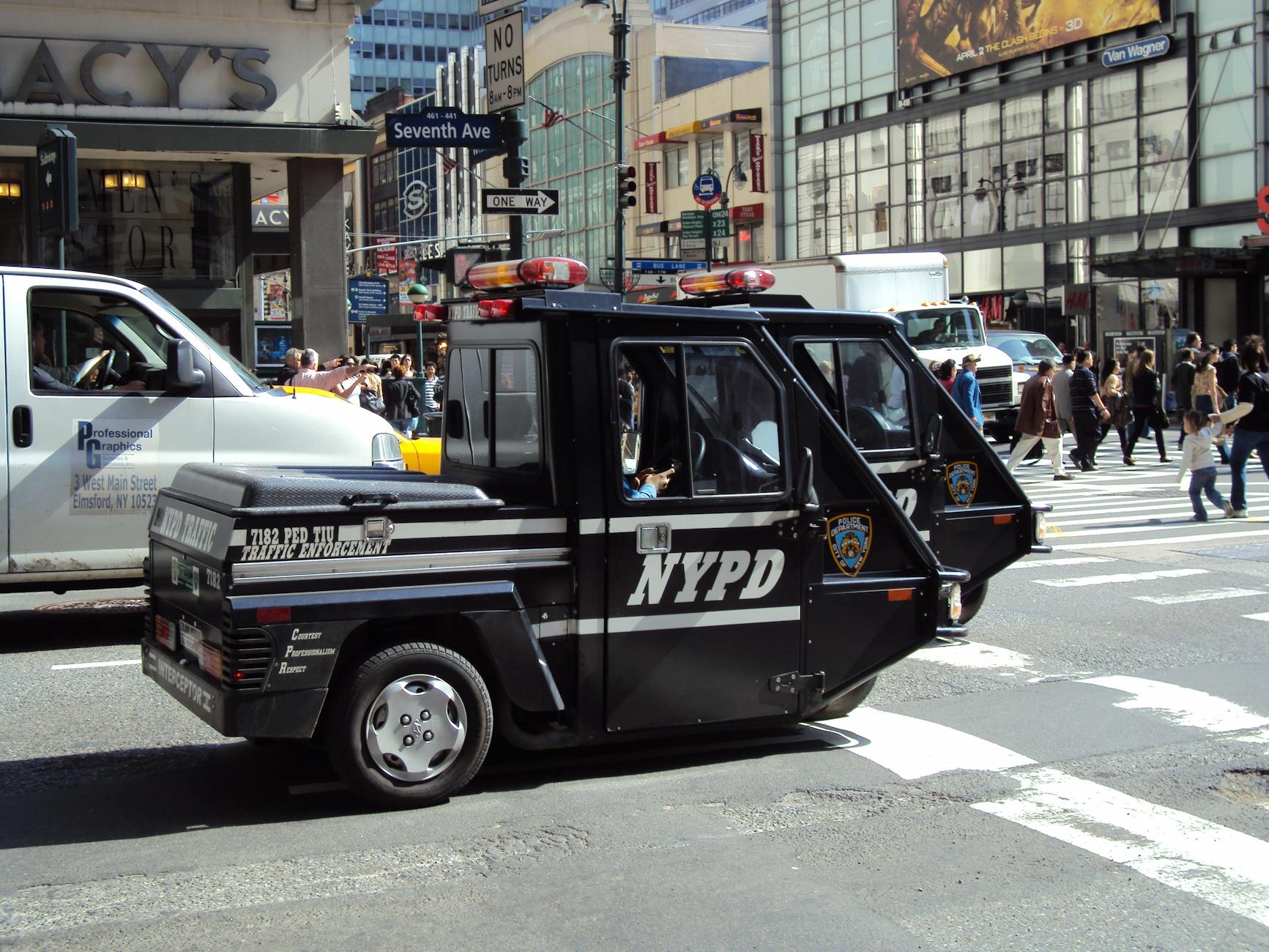
Zohran Mamdani is 100 days into his mayoralty. The NYPD looks roughly the same as it did when he got the keys.
The democratic socialist who took City Hall in 2026 ran hard on police accountability. He promised to kill the gang database, dismantle a SWAT-style unit that drew excessive-force complaints, dissolve “quality of life” enforcement teams that critics say target Black and Hispanic New Yorkers at wildly disproportionate rates, and strip disciplinary power from the police commissioner to hand it to civilian oversight. Bold pledges. He hasn’t kept most of them.
That’s left an odd coalition of critics: reformers and cops, both watching City Hall with arms crossed.
The New York Civil Liberties Union backed Mamdani’s platform and is still trying to stay in his corner. Michael Sisitzky, the NYCLU’s assistant policy director, didn’t sugarcoat the situation but framed it charitably. He cited the “preexisting problems with the NYPD that the mayor has inherited,” and called it “a pretty herculean task to right these issues.” That’s the politic version of saying the administration is moving too slow. The NYCLU hasn’t pulled its support, but patience isn’t unlimited.
The Police Benevolent Association isn’t feeling nearly as generous. PBA President Patrick Hendry said officers remain skeptical even though Mamdani’s most aggressive campaign promises haven’t materialized. “It’s good that the mayor has not acted on some of his most drastic campaign pledges, but there is still a perception among police officers that the city under his leadership won’t have our backs,” Hendry told The City. He left open a narrow door. “It is still early, and the mayor has a chance to change that perception, but he needs to make a real effort to hear our concerns and work with us to address them,” Hendry said.
Not a peace offering. Not quite a declaration of war either.
Mamdani isn’t dodging the friction. In an interview with the New York Times published Thursday, he said he’ll overrule Police Commissioner Jessica Tisch when he thinks it’s necessary. His words: “as the mayor, ultimately I am responsible for what happens in our city within each and every city agency and department.” That’s a pointed message. Tisch doesn’t have a blank check.
So what’s actually happened? Sam Raskin, a Mamdani spokesperson, pointed to a handful of structural moves. The mayor installed a deputy mayor for community safety, which City Hall frames as the first step toward a new department built to reduce police response to 911 mental health calls. The co-responder model has genuine support among reform advocates who’ve spent years arguing cops shouldn’t be the default answer to psychiatric crises. Whether the deputy mayor post turns into that model or stays a talking point is unresolved.
Body camera transparency is another area where advocates are watching closely. The department’s footage release policies haven’t changed in any meaningful way through the first 30 days or the first 100. That’s a sore point. Criminal justice advocates who spent years fighting for access to that footage aren’t prepared to wait another 7 months without movement.
The tension here isn’t just political. It’s structural. Mamdani won on a set of promises that require him to fight the NYPD’s institutional culture from the top. The department has outlasted reformers before. It’s absorbed 10 different oversight regimes, survived federal monitors, and kept operating on its own terms through administrations that came in with big plans and left with modest results. Sisitzky’s point about “preexisting problems” isn’t an excuse. It’s a map of the terrain.
What Mamdani has going for him is that it’s still early, and he’s signaled, at minimum, that he won’t let Tisch run the department without interference. What he doesn’t have yet is a single signature reform he can point to.
The next 30 days will tell more than the last 100. City Hall has said the community safety structure will take shape by late spring 2026. If it doesn’t, the NYCLU’s patience and the PBA’s grudging neutrality may both run out around the same time.